From store renders to compliance automation: embedded operations across three boutique cannabis locations in Michigan.
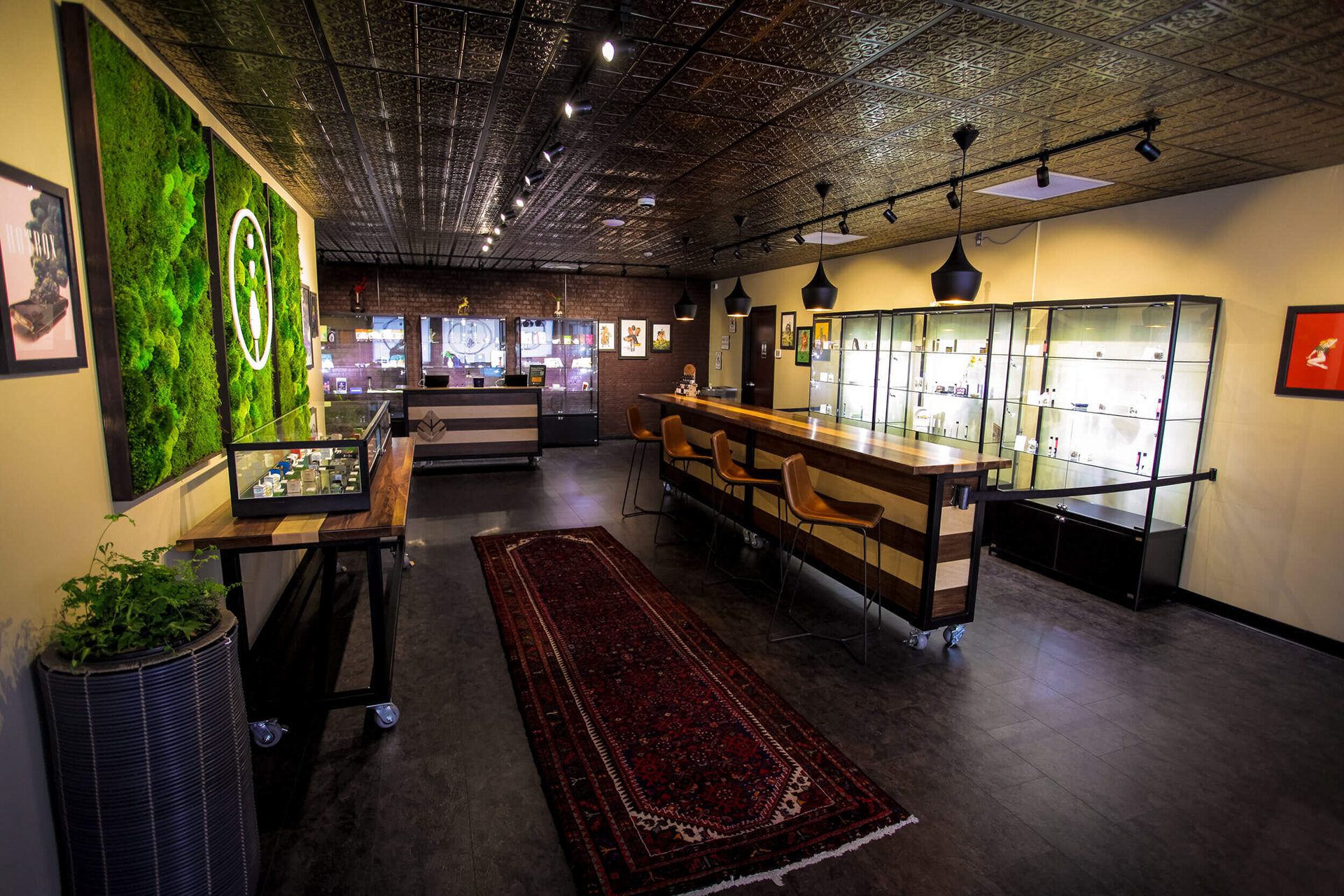
The WellFlower sold medical-grade cannabis through their own boutique retail locations in Michigan. They weren't just a dispensary. They were building a brand with a distinct aesthetic and a customer experience that matched it. They needed someone who could help bring that vision off the mood board and into the real world.
I came in as a multi-role operator. What started as design work grew into store operations, staff management, and eventually solving one of their most persistent back-office headaches.

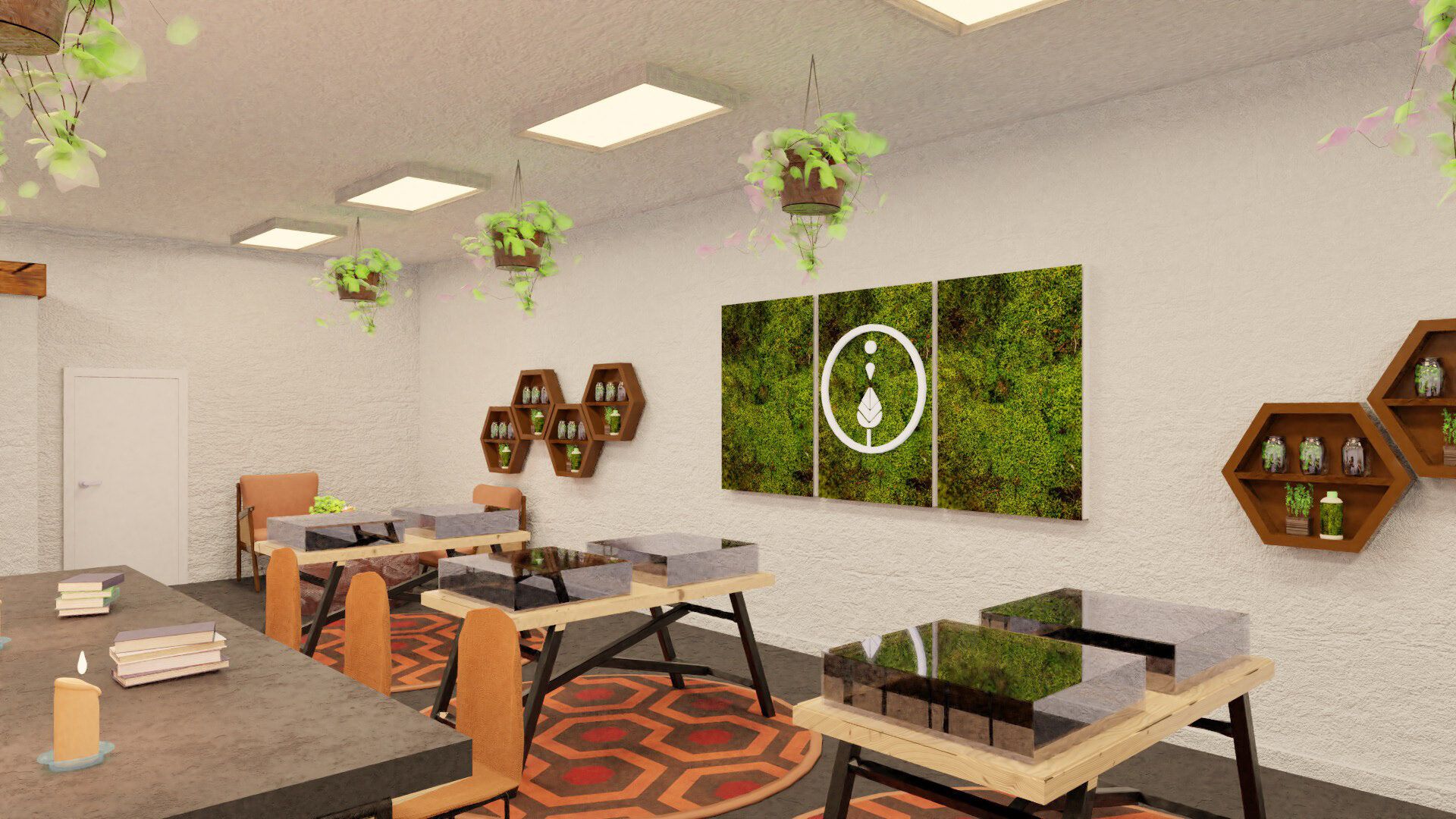
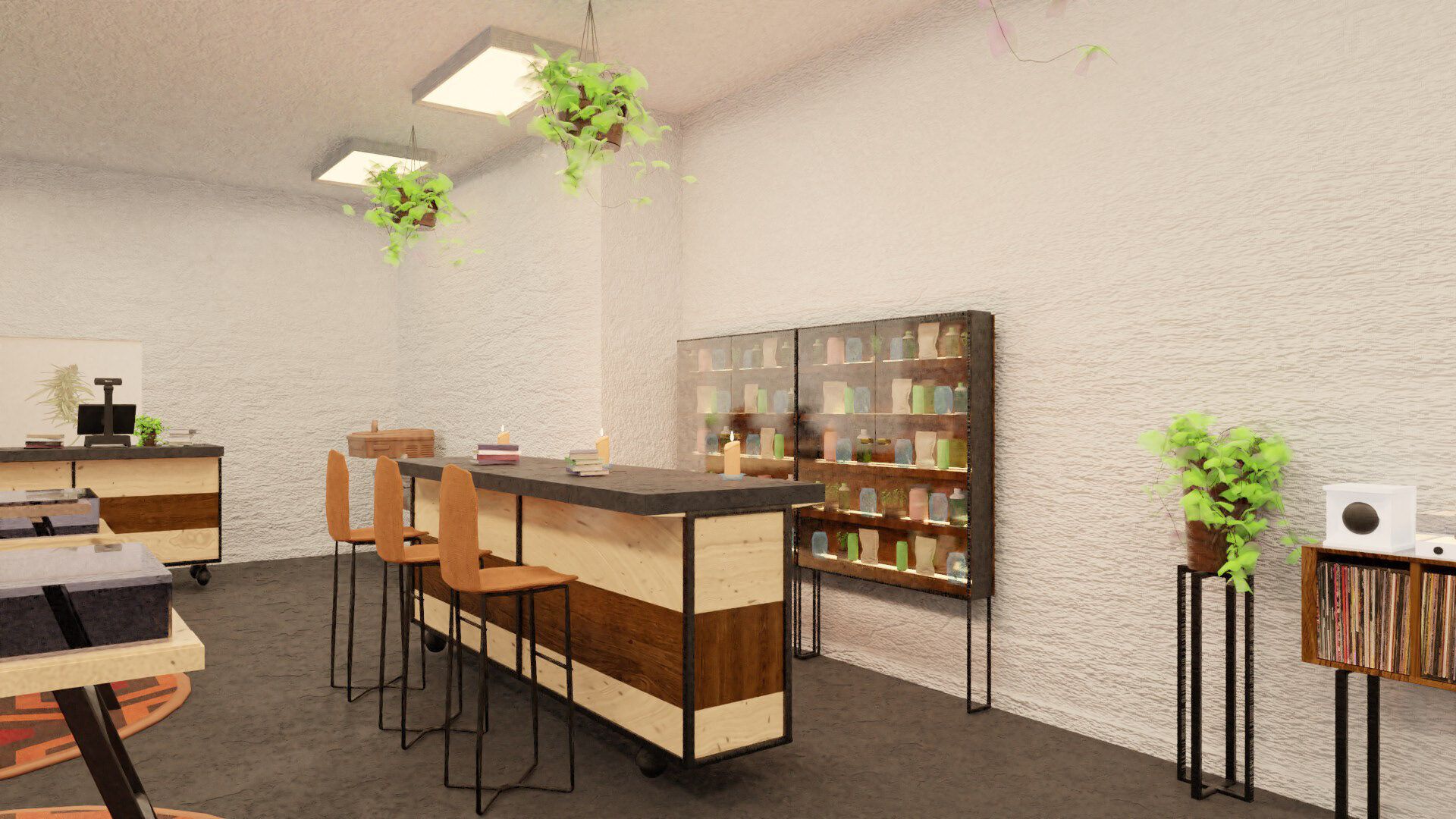
The first thing I did for WellFlower was create 3D renders of their store interiors. Working from their brand direction, I modeled out the full retail environments (display cases, lighting, materials, flow) and presented them as the visual blueprint for what the spaces would become.
That work didn't end at the screen. I partnered with their interior designer and the build team to actually construct the spaces, bridging the gap between concept and construction and making sure what got built matched what we envisioned.
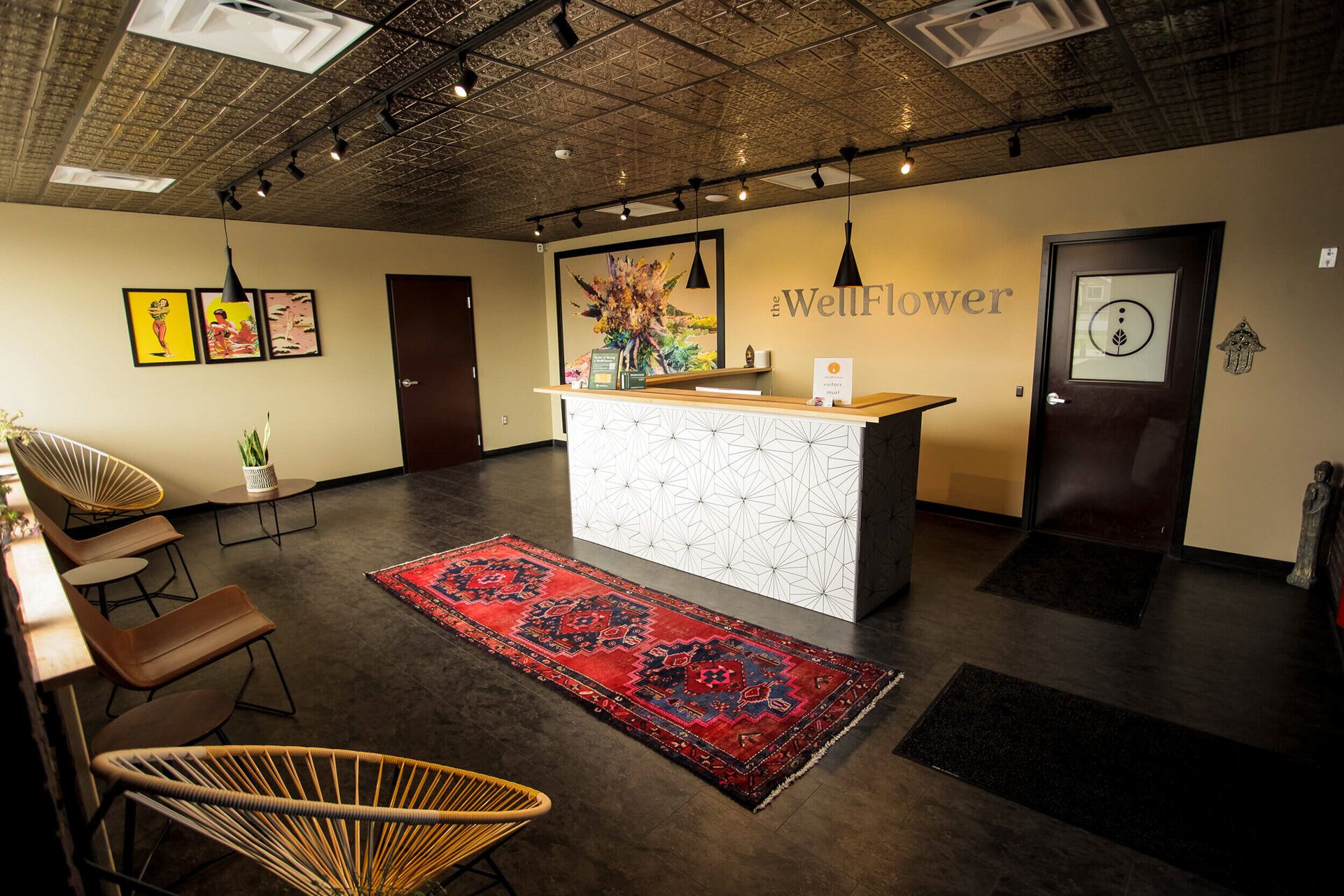
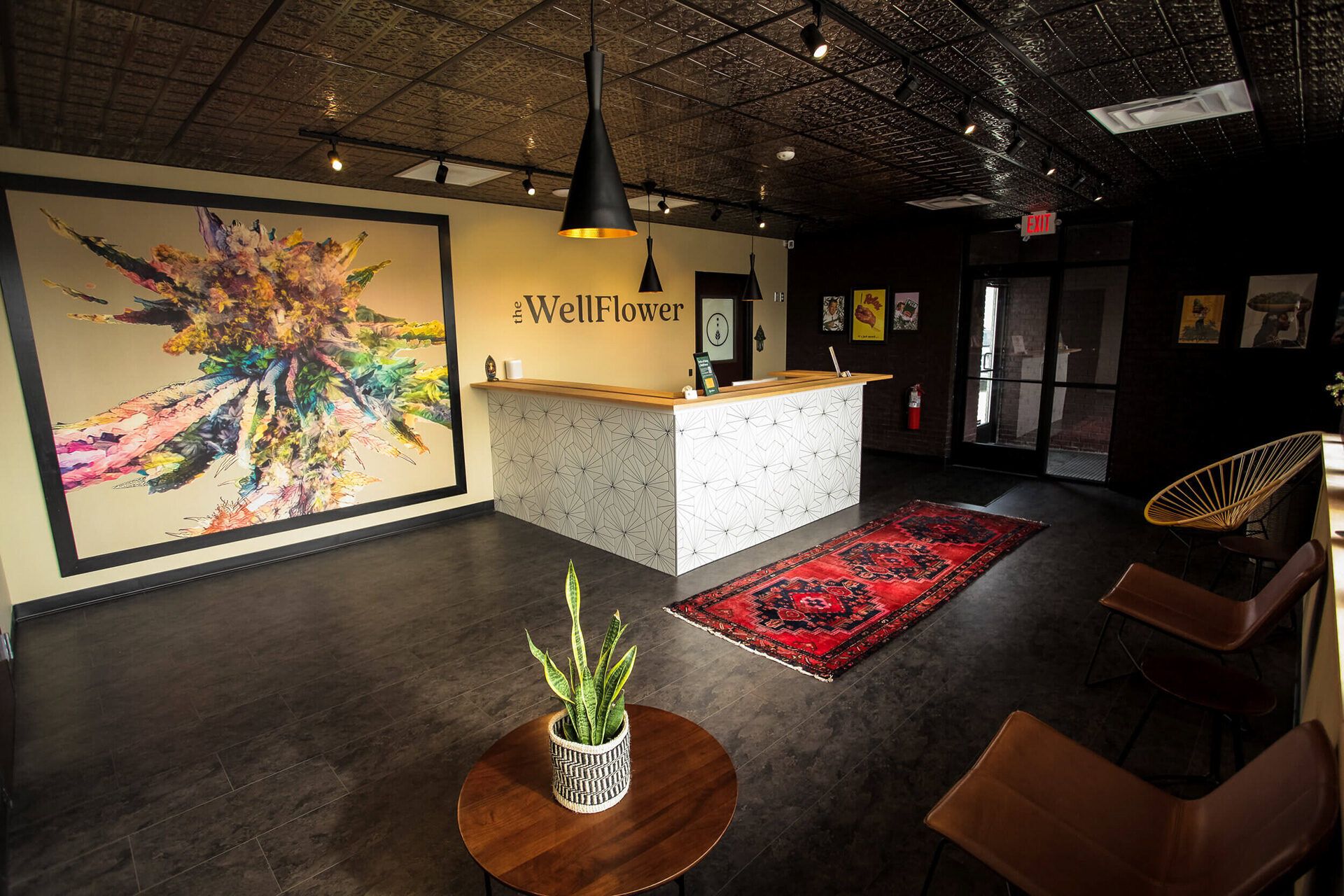

The store environments weren't just built to spec. They were branded floor to ceiling. I designed custom illustrated murals for the WellFlower locations and oversaw them from original artwork through finished wall installation.

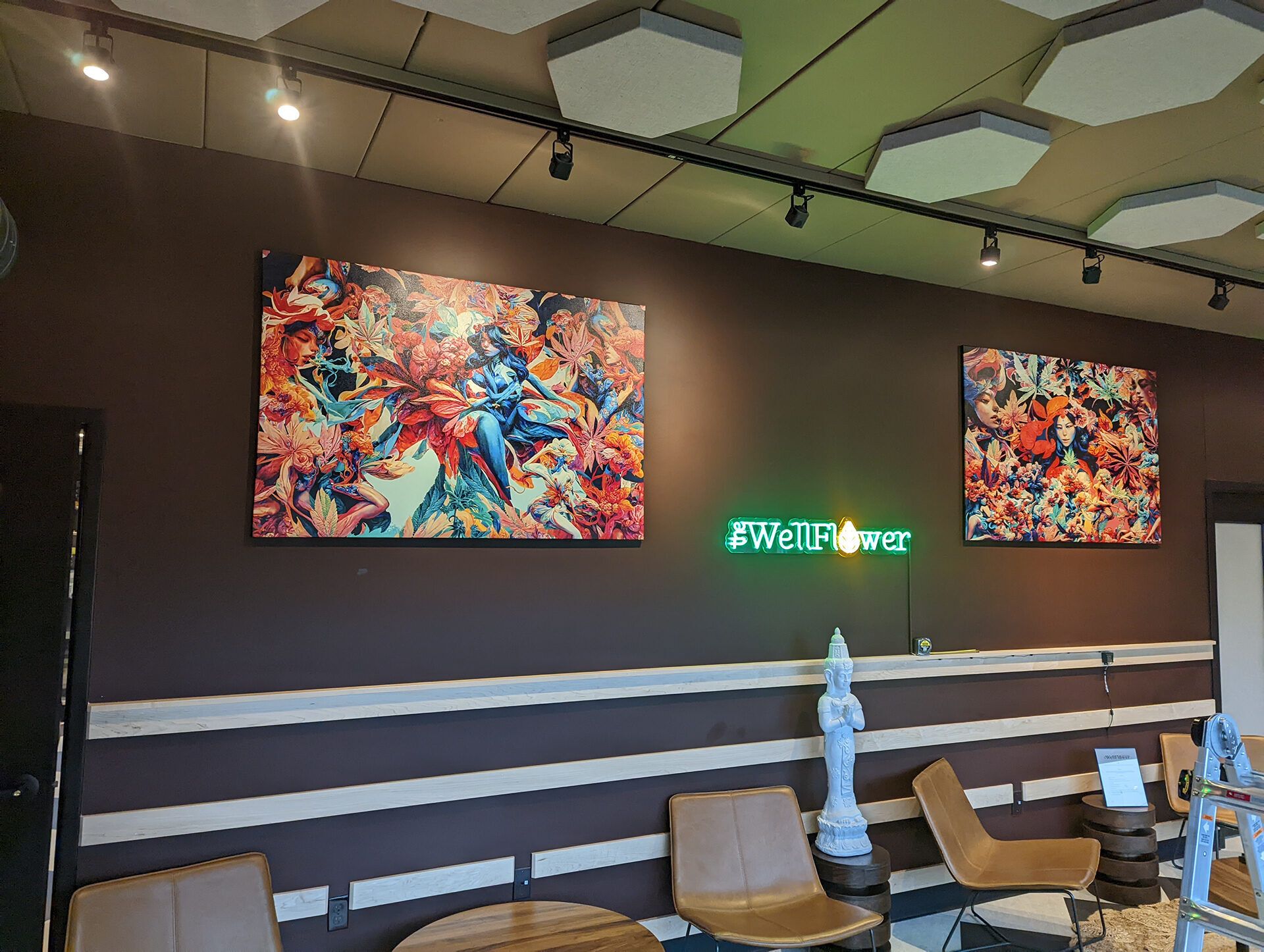
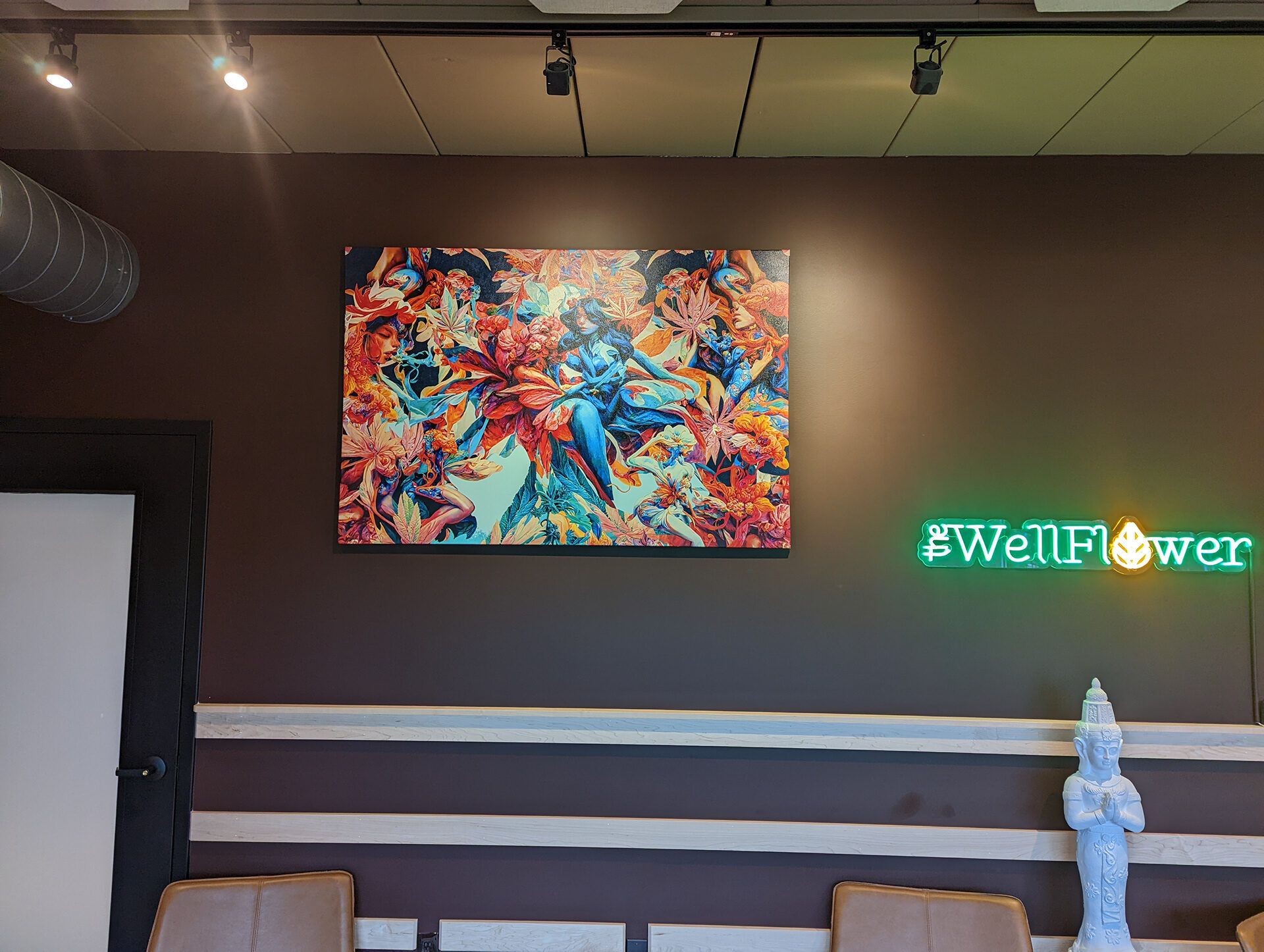
Once the locations were open, I helped operate them. That meant training staff, managing day-to-day operations, and making sure the customer experience held up to the brand standard we'd built.
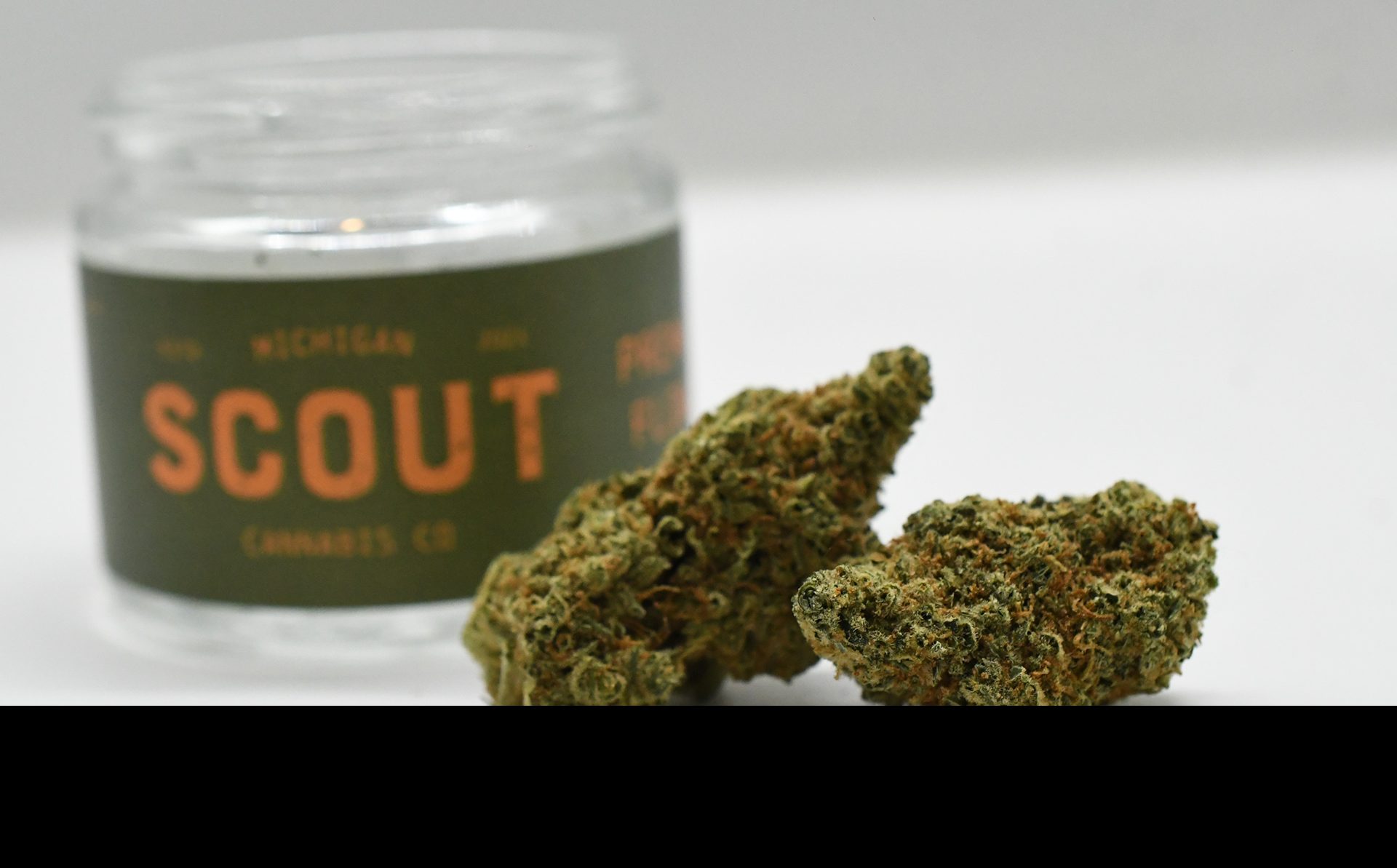
I also designed their product packaging, bringing the same visual identity from the storefront onto the physical product, creating a cohesive experience from the moment a customer walked in to the moment they got home.

In Michigan, every cannabis retailer is legally required to submit their sales data and customer information to a state system called Metrc, a compliance database that verifies all sales are made to verified legal adults.
Before I got involved, WellFlower's process was this: every two weeks, staff manually counted inventory across all three stores, built a spreadsheet by hand, and submitted it to Metrc. It was slow, error-prone, and consumed hours of time across the organization on a recurring basis.
The proprietary point-of-sale software they used couldn't directly interface with Metrc, and the conventional wisdom was that there was no way around it. Nobody asked me to look into it. I just didn't think that was actually the case.
The POS software could not natively export data in a Metrc-compatible format. Three stores. Bi-weekly manual counts. No integration available.
Staff hours every two weeks across three locations. Time spent on compliance reporting that could be spent on customers, and a recurring risk of human error on legally required data.
I dug into the POS software's export capabilities and the Metrc API specification. I wrote Python scripts that took the raw sales data and automatically converted it into the exact spreadsheet format Metrc required. I also adjusted settings within the POS system to generate cleaner, more structured data at the source, making the transformation faster and more reliable.
What had been a recurring drain on staff hours across three locations was eliminated entirely. The system handled the Metrc submission automatically, the data was cleaner than it had ever been, and the team could redirect their attention to what they were actually there to do.
This wasn't something they asked for. I identified the problem, assessed whether a better solution was possible, and built it. That's the mode I operate in: not waiting to be told what's broken, but finding it and fixing it.