Embedded as a full-stack operator: platform migration, CRM build, lead scoring infrastructure, and the automations that made the whole thing run.
Origins Curriculum creates home school curriculum for preschool through 5th grade, hosted entirely online. They were growing, but their systems weren't. Their CRM couldn't handle their product complexity, their automation was minimal, and their team was doing manually what should have been happening automatically.
I came in as their Customer Experience & Systems Designer, a title that barely covers what I actually did. I was the operator who built the machine.
See my role on their team →
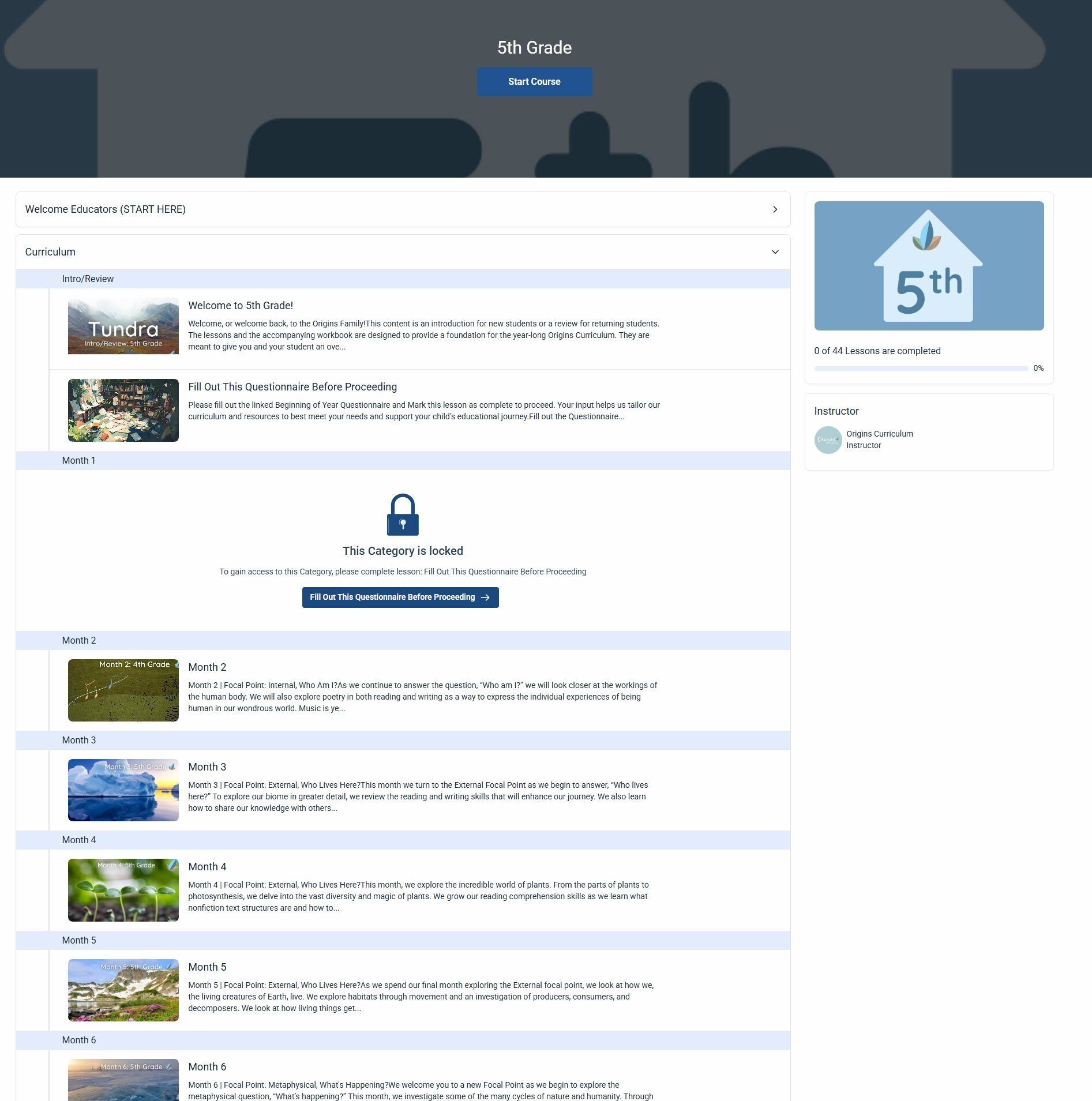
Origins needed to move their entire digital operation from one platform to GoHighLevel, a complex, all-in-one CRM and marketing platform built for serious scale. This wasn't a casual migration. It meant replicating every product, course, order form, and piece of curriculum content in a new system without breaking what was already working.
I managed the transfer, auditing the existing architecture, mapping it to the GHL structure, and migrating the data systematically. The 12-month curriculum cycle alone (materials for preschool through 5th grade) had to be loaded into the new system in a way that was clean, navigable, and ready to sell against immediately.
Full database transfer. Products. Courses. Order forms. 12 months of curriculum content across 6 grade levels. All rebuilt inside GoHighLevel and made operational, without breaking existing customer access.
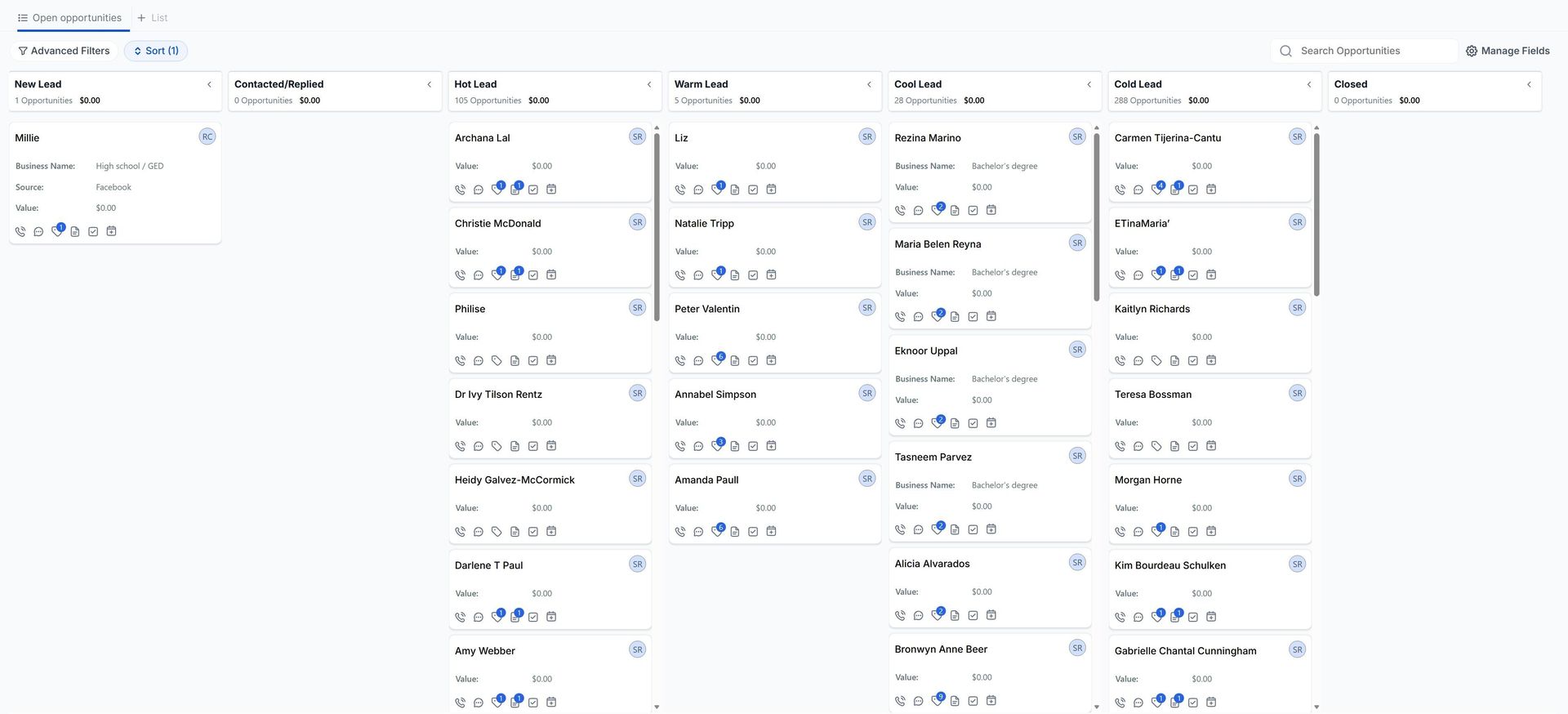
Before I built this system, the sales team was working blind. Leads came in, and someone had to manually decide who to follow up with, when, and how. Hot prospects sat untouched. Cold leads got called. Time was wasted.
I architected a behavior-based lead scoring system that rated every prospect based on how they engaged with Origins' content. Every meaningful interaction (an email response, a sample download, a page visit) incremented their score.
When a lead hit a threshold or took a high-intent action, the system automatically notified the appropriate sales team member in real time, with context on what the prospect had done. The call or email that came next wasn't a cold outreach. It was perfectly timed follow-up on something the prospect had just done.
Prospect signs up, downloads a sample, or engages with content. Scoring begins.
Each interaction (email open, reply, download, revisit) adds weighted points to their lead score.
Prospect replies to an email or downloads a curriculum sample. Score crosses a threshold.
The right team member gets an alert, with full context, to make the call or send the email right now, while the prospect is warm.
Point setters and sales staff receive qualified, warm leads automatically. No manual sorting required.
The email automation system I built wasn't a single sequence everyone went through. It was a behavior-responsive architecture. Every action a prospect took could route them into a different campaign, with tailored offers, different timing, and unique messaging based on where they were in the journey.
Purchased one product but not another? They went into a relevant cross-sell sequence. Downloaded a free sample but didn't buy? They went into a nurture campaign with an offer timed for when they were most likely to convert. Responded to an email? Sales gets notified and the automated sequence pauses.
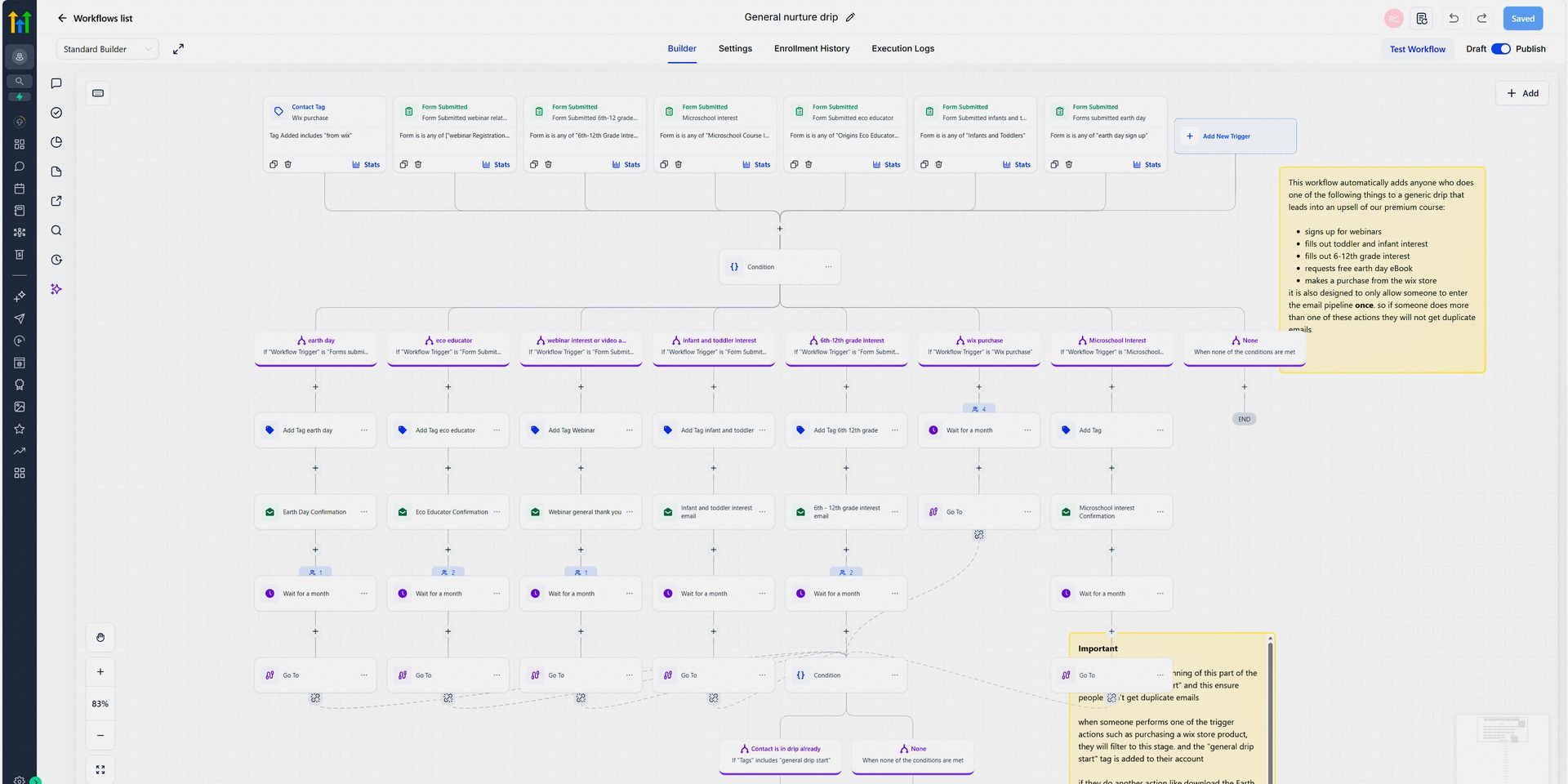
Most people talk about automation in the abstract. These videos show the real thing — the workflows I built, the logic that drives them, and how the system behaves once a lead enters the pipeline. If you've been wondering what a fully operational CRM backend looks like, this is it.
A full walkthrough of the lead scoring and routing automation. Watch how a contact moves through the system from first touch to sales-ready — triggered, scored, and assigned without a single manual step.
If your business has a CRM you're not using to its potential, a sales process that relies too much on memory and manual effort, or email sequences that send the same thing to everyone — this is exactly the kind of infrastructure I build. I can architect it, implement it, document it, and train your team to run it.
While building out the backend infrastructure, I was also running the operational side of the business. Customer support, inbox management, social media, video editing, and content production, all happening concurrently with the CRM work. This is what "one person doing 30 jobs" actually looks like in practice.

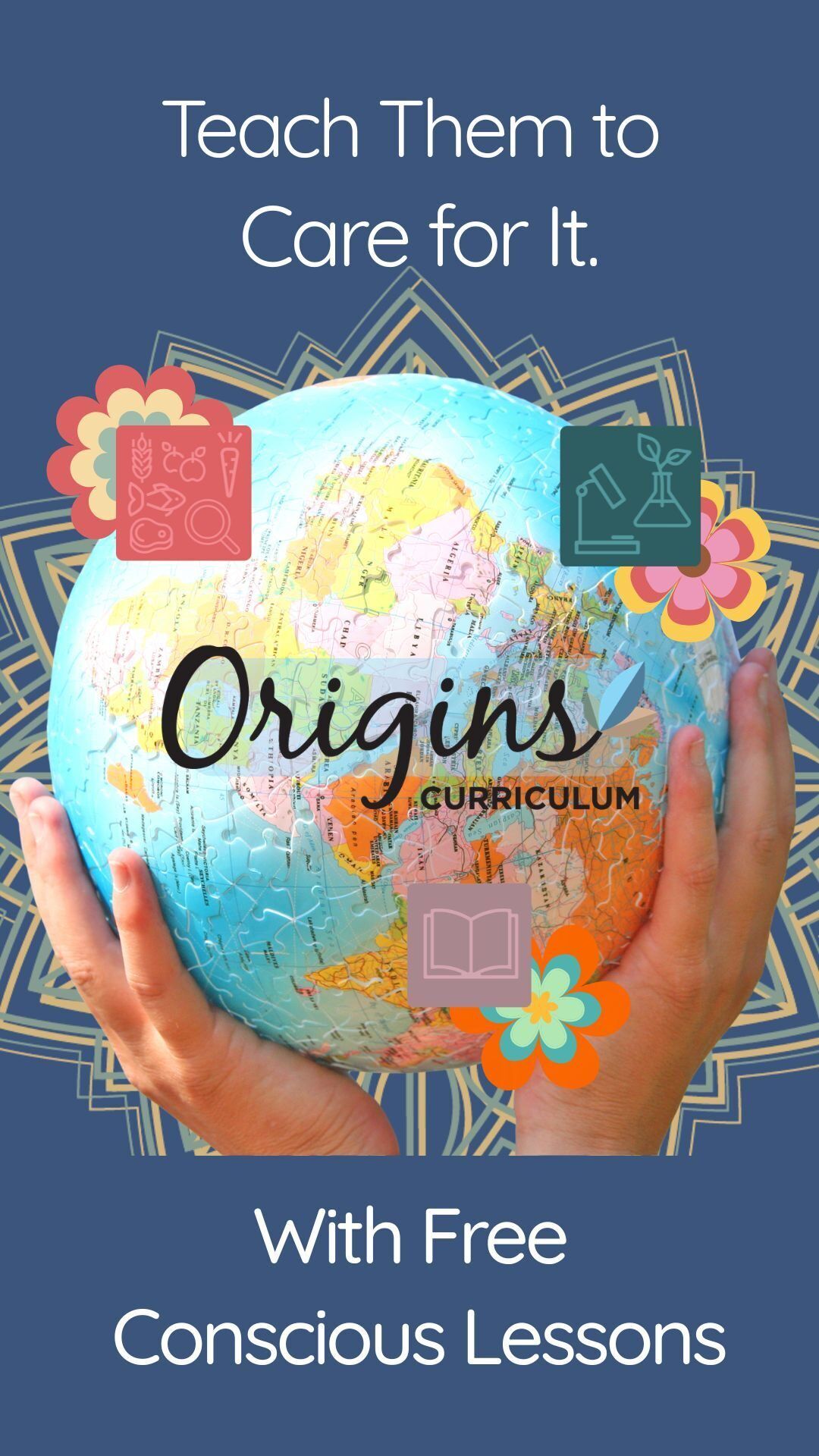
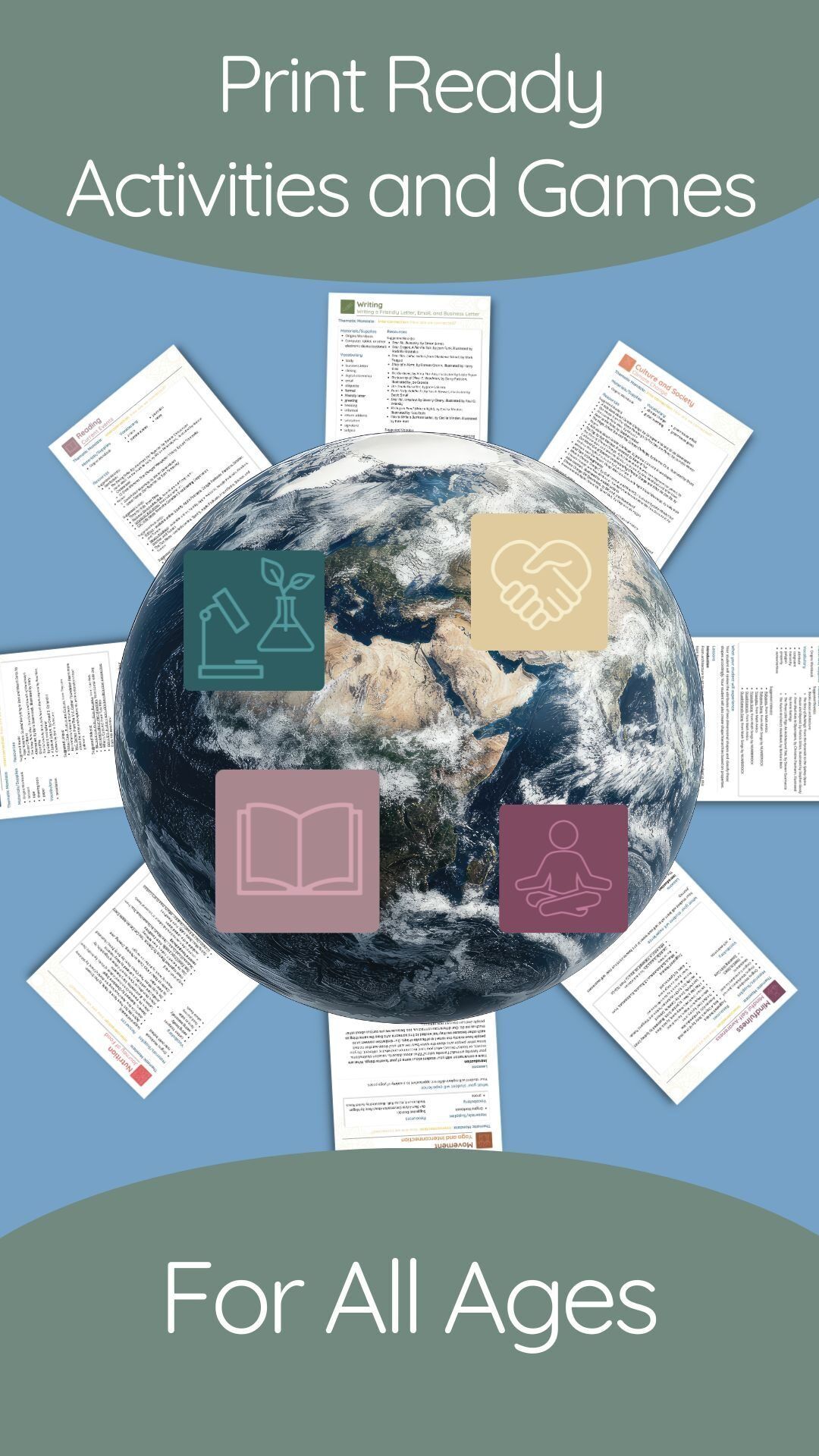



Beyond still content, I produced and edited video: promotional clips for social, curriculum previews, and training walkthroughs for the team and clients.
I'm listed on the Origins Curriculum team page as their Customer Experience & Systems Designer. That's the title they gave the role, after watching what it took to actually do it.